.png)
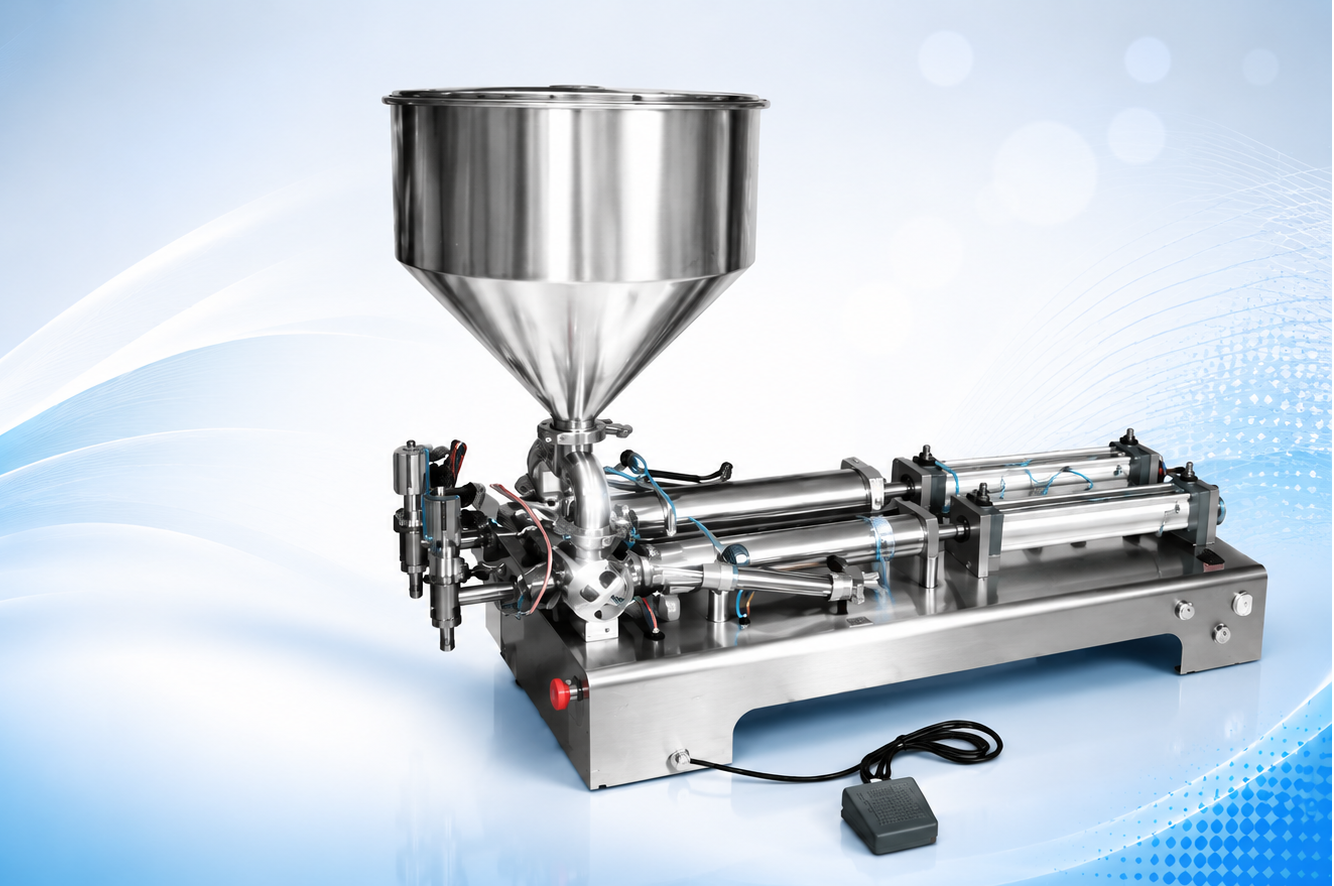
Packaging thick food products requires careful control over material movement, filling quantity and container handling. Rama GMP Machineries offers paste filling machinery options for businesses looking to streamline the packaging of fruit pulp, squash concentrates, jams, tomato-based products, ginger garlic paste, sauces, chutneys and other suitable semi-solid formulations. As a Paste Filling Machine Manufacturer In Sikkim, we provide equipment options that can be assessed according to the nature of the product and the intended packaging process. Factors such as paste consistency, ingredient size, hopper capacity, nozzle arrangement, container opening and required filling volume help determine an appropriate machine configuration. This product-oriented approach allows manufacturers to explore filling equipment that fits their individual processing and packaging needs.
Sikkim's food processing sector offers opportunities for businesses working with locally sourced fruits, processed food products, preserves and packaged condiments. Units operating in Gangtok, Namchi, Gyalshing, Mangan, Pakyong, Soreng and other parts of the state may have different requirements depending on their product range and production scale. For example, fruit-based preparations, thick sauces and traditional food mixtures can vary considerably in texture and flow behaviour. Selecting suitable machinery therefore involves reviewing the formulation, target pack size, filling consistency, container material and available workspace. Rama GMP Machineries helps businesses explore relevant paste filling equipment options with these practical considerations in mind, supporting a more organised approach to commercial product packaging.
Request Paste Filling Machinery DetailsChoosing suitable filling equipment is an important part of preparing food products for commercial distribution. Rama GMP Machineries offers paste filling machinery options for manufacturers handling fruit-based preparations, packaged sauces, preserves, chutneys, spice mixtures and other compatible thick formulations. Businesses searching for a Paste Filling Machine Manufacturer In Sikkim can explore equipment configurations according to the material being processed, packaging format and expected output. From loading prepared paste into the machine to dispensing it into individual containers, every operation should be planned around the product's handling characteristics and the manufacturer's production requirements.
Paste formulations differ in thickness, flow behaviour and ingredient composition, which can influence how they move through a filling system. A smooth fruit preparation may require a different dispensing arrangement from a dense condiment containing small particles. Container opening size, required filling quantity and product temperature are equally important during equipment selection. By reviewing these details before finalising machinery, businesses can identify a filling arrangement that better matches their packaging application. Rama GMP Machineries assists manufacturers in evaluating relevant equipment options based on these practical production factors.
Sikkim has a distinctive food and agricultural landscape, with opportunities for businesses involved in fruit processing, preserved foods, sauces and regional food preparations. Commercial producers may require filling equipment for products such as fruit pulp, concentrated fruit mixtures, jams, spreads, tomato preparations and other packaged food items. As businesses develop their product ranges, having a filling system suited to the formulation and container type becomes an important part of their packaging planning.
Rama GMP Machineries caters to machinery enquiries from Gangtok, Namchi, Gyalshing, Mangan, Pakyong, Soreng and other locations across Sikkim. Businesses looking for a Paste Filling Machine Manufacturer In Sikkim can share information about their products, container sizes and intended filling quantities to explore suitable equipment arrangements. Details about material thickness, ingredient distribution, hopper requirements and dispensing preferences help in assessing the machine configuration for a particular application.
Packaging equipment should also be considered in relation to the overall working environment of the manufacturing unit. Available floor area, product preparation arrangements, operator movement and the placement of filled containers can all affect the layout of a filling station. Businesses should also consider how the filling operation will connect with subsequent activities such as capping, sealing, labelling and product storage. A coordinated layout can make everyday packaging activities easier to organise.
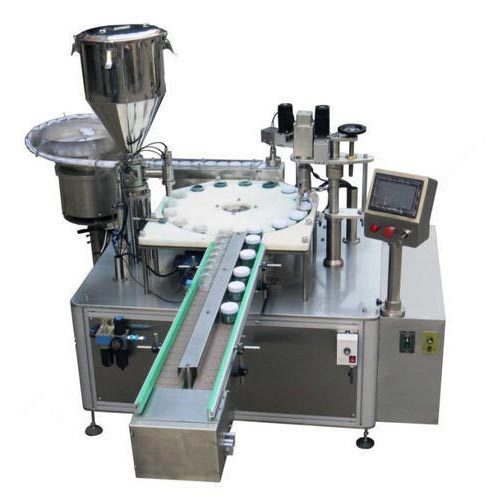
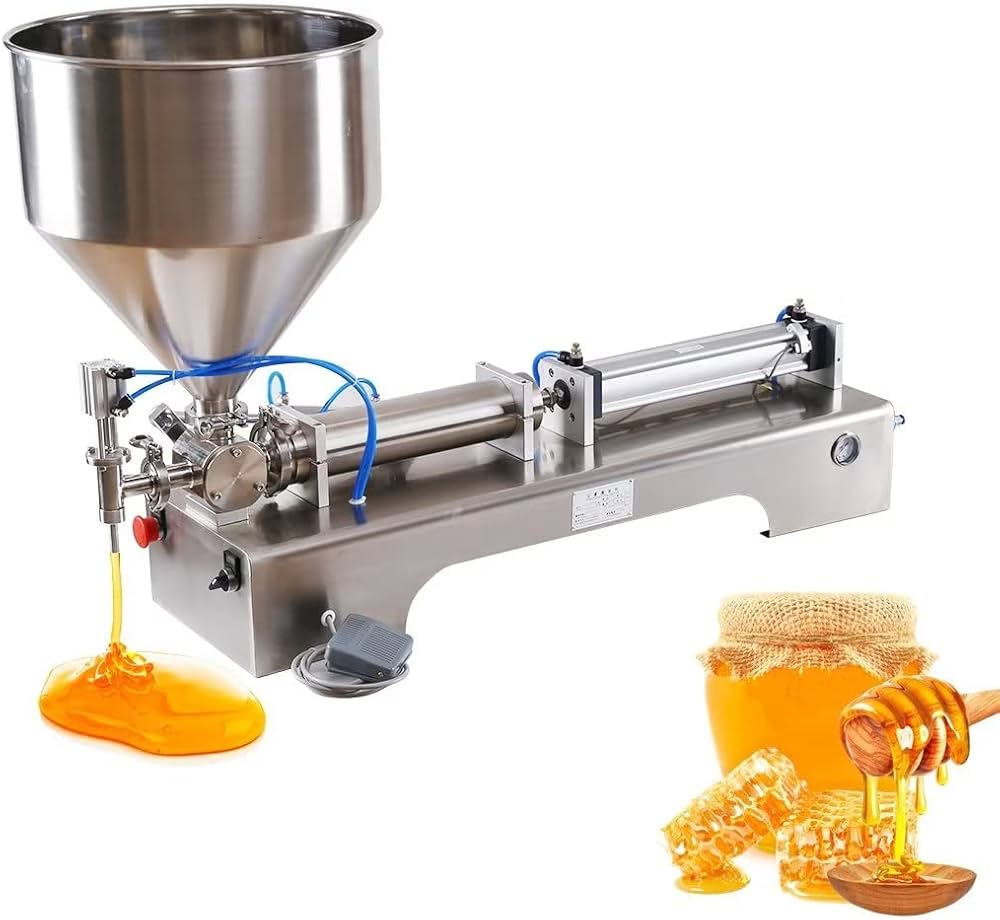
Food processing companies often work with multiple formulations that require different filling considerations. Fruit preserves, concentrated pulp, tomato sauces, ginger garlic paste, chilli preparations, pickles and traditional chutneys may differ in texture, thickness and ingredient content. Some materials are smooth and uniform, whereas others contain fibres, spice particles or small solid components. Understanding these differences is essential when reviewing the product feeding system, nozzle dimensions and dispensing method of a paste filling machine.
When approaching a Paste Filling Machine Manufacturer In Sikkim, it is useful to provide a clear description of the product and its packaging requirements. Information about viscosity, processing temperature, particle size, desired pack quantity and container dimensions helps in evaluating equipment suitability. Manufacturers should also consider how easily product-contact components can be accessed for cleaning, particularly when the same facility handles different food formulations.
Product diversification is another factor worth considering during machinery planning. A business may initially package fruit-based preparations and later introduce sauces, spreads or other compatible paste products. In such situations, understanding the expected range of formulations and container sizes can help manufacturers assess the flexibility required from their filling equipment. Sharing present and anticipated packaging requirements makes it easier to discuss suitable machinery options for the business.
Selecting a paste filling machine involves understanding more than the quantity of product that needs to be dispensed. Manufacturers should examine the complete movement of material, beginning with product preparation and loading and continuing through filling, container collection and subsequent packaging operations. The choice of machine should reflect the actual product formulation, preferred container style, working environment and anticipated production schedule. Careful evaluation of these requirements helps businesses compare available machinery options and plan an appropriate packaging setup.
Rama GMP Machineries welcomes enquiries from food processors, fruit product manufacturers, condiment producers and businesses handling compatible semi-solid formulations looking for a Paste Filling Machine Manufacturer In Sikkim. Whether your application involves fruit pulp, locally processed fruit preserves, tomato-based products, jams, sauces, ginger garlic paste, pickles or other suitable thick preparations, our machinery options can be discussed according to your application. Share your product details, container measurements, target filling quantity and estimated production requirements to explore a practical filling solution for your manufacturing facility in Sikkim.
Processing and packaging businesses need machinery that can handle their products without overlooking differences in texture, consistency and container requirements. Manufacturers in Sikkim working with fruit preserves, locally processed fruit pulp, squash concentrates, jams, tomato-based sauces, ginger garlic paste, pickles and traditional chutneys can explore filling equipment suited to their applications. Rama GMP Machineries offers industrial paste filling machinery options for businesses establishing packaging operations or reviewing their existing production setup. Companies searching for a Paste Filling Machine Manufacturer In Sikkim can discuss their requirements to assess suitable equipment arrangements based on product behaviour, packaging dimensions, filling quantity and operational needs.
Different paste products behave differently during the filling process, making product evaluation an important part of machinery selection. Fruit preparations may contain natural fibres, while certain sauces and condiment mixtures can have a thicker consistency or suspended ingredients. These variations influence material feeding, nozzle selection and dispensing arrangements. Before finalising equipment, manufacturers should consider product viscosity, ingredient distribution, operating temperature, container mouth size and the quantity required per pack. Hopper accessibility, cleaning convenience and the construction of product-contact components should also be reviewed to understand whether the equipment is appropriate for the intended application.
Businesses operating in Gangtok, Namchi, Pakyong, Gyalshing, Mangan, Soreng and surrounding areas may have different requirements depending on their product categories and production scale. A fruit processing business may need filling arrangements for preserves and concentrated pulp, whereas a packaged food manufacturer may be interested in equipment for sauces, spreads or regional condiment preparations. Rama GMP Machineries encourages businesses to provide product information, sample containers, target filling quantities and expected packaging output when discussing machinery requirements. If you are looking for a Paste Filling Machine Manufacturer In Sikkim, evaluating these application-specific details can help identify a practical filling configuration that fits your production workflow and future packaging plans.
Packaging locally processed food products requires equipment that can accommodate different material properties and container styles. Businesses in Sikkim involved in fruit preservation, packaged condiments, food preparation and commercial processing may need suitable machinery for handling fruit pulp, jams, concentrated fruit mixtures, tomato sauces, ginger garlic paste, pickles and other compatible thick products. Rama GMP Machineries offers industrial filling equipment options that can be evaluated according to individual production requirements. As a Paste Filling Machine Manufacturer In Sikkim, we focus on important application factors such as product flow, dispensing method, container specifications, filling quantity and the working arrangement of the packaging unit.
Fruit processing businesses may handle a variety of products, including fruit pulp, concentrated preparations, jams, spreads and preserved fruit mixtures. These formulations can differ in thickness, fibre content and natural consistency, making it important to review their filling requirements individually. The selected machinery should be evaluated according to material movement, feeding arrangements, dispensing quantity and container dimensions. Rama GMP Machineries offers paste filling equipment options that businesses can explore for suitable fruit-based packaging applications and commercial processing operations.
Packaged food manufacturers working with tomato sauces, chilli preparations, ginger garlic paste, pickles, chutneys and thick cooking ingredients need filling arrangements suited to their individual formulations. Some products have a smooth consistency, while others contain spice particles or small solid ingredients. These differences should be considered when assessing hopper design, nozzle selection and dispensing requirements. Understanding the formulation and intended pack format helps businesses explore machinery configurations suitable for their condiment packaging activities.
Food startups, regional product brands and established manufacturing facilities may operate with different batch sizes and packaging schedules. Their machinery requirements can vary according to daily output, available workforce, container varieties and the amount of operator involvement preferred during filling. Manual, semi-automatic and automatic equipment options can be reviewed according to the intended production process and available machine specifications. Rama GMP Machineries helps businesses evaluate these operational requirements when exploring suitable paste filling arrangements for present production needs and possible future product expansion.
Manufacturing units handling sticky pastes and multiple food formulations should give attention to equipment accessibility and maintenance arrangements. Important areas to review include the product hopper, filling nozzle, dispensing assembly and other surfaces that come into contact with the material. Cleaning procedures between different production batches should also be considered during machinery selection. Evaluating these details helps businesses understand the routine care required for their filling equipment and plan a more manageable packaging environment.
Selecting appropriate paste filling machinery requires a clear assessment of the complete product packaging process. Manufacturers should identify the material characteristics, preferred container format, required quantity per pack, estimated batch size and available installation space before discussing equipment configurations. Rama GMP Machineries welcomes machinery enquiries from businesses in Gangtok, Namchi, Pakyong, Gyalshing, Mangan, Soreng and other parts of Sikkim. Companies searching for a Paste Filling Machine Manufacturer In Sikkim can explore equipment applications for fruit pulp, preserved fruit products, jams, tomato-based preparations, sauces, ginger garlic paste, chutneys, pickles and other compatible viscous materials. Providing product samples, container measurements and packaging details can help in reviewing the filling requirements and identifying an appropriate machinery option for the intended manufacturing application.
Businesses involved in food preparation, fruit preservation and consumer product manufacturing need filling equipment suited to the consistency and packaging characteristics of their products. In Sikkim, processors handling fruit-based preparations, packaged sauces, traditional condiments, herbal formulations and compatible personal care products may require different dispensing arrangements. Rama GMP Machineries offers machinery options that can be evaluated according to individual product and production requirements. As a Paste Filling Machine Manufacturer In Sikkim, we focus on application requirements such as material flow, ingredient composition, filling quantity, container dimensions and the intended packaging process.
Fruit processing units may package a variety of products, including fruit pulp, concentrated preparations, jams, spreads and preserved fruit mixtures. Their natural thickness, fibre content and texture can vary according to the fruit and processing method. These characteristics should be considered when selecting the product feeding arrangement and dispensing nozzle. Manufacturers should also evaluate the required pack quantity, container opening and filling method before choosing machinery. Rama GMP Machineries offers equipment options that can be explored for compatible fruit-based formulations and value-added food packaging applications.
Producers of packaged condiments may handle tomato sauces, chilli preparations, ginger garlic paste, pickles, chutneys and other thick food mixtures. Certain formulations are smooth, while others contain spice particles, fibres or small solid ingredients that affect product movement during filling. The machinery should therefore be assessed according to the formulation, nozzle clearance, hopper arrangement and intended container style. Businesses can share their product details and packaging samples to explore suitable filling configurations for their specific condiment manufacturing requirements.
Personal care and herbal product manufacturers may require filling equipment for selected creams, skin-care preparations, herbal packs, moisturising products and other semi-solid formulations. These materials can differ in density, spreadability and dispensing behaviour, so the filling arrangement should be reviewed for compatibility with the actual formulation. Important considerations include product-contact construction, hopper accessibility, nozzle dimensions and filling quantity. Jar size, tub design and container opening should also be examined to determine whether a particular machine configuration is appropriate for the intended packaging application.
Every paste packaging application has its own technical and operational considerations. Product thickness, ingredient size, temperature, required filling quantity, container format and expected production volume should be understood before selecting suitable machinery. Rama GMP Machineries welcomes enquiries from food processors, fruit product businesses, condiment manufacturers and compatible personal care producers in Gangtok, Namchi, Pakyong, Gyalshing, Mangan, Soreng and other parts of Sikkim. Businesses looking for a Paste Filling Machine Manufacturer In Sikkim can discuss equipment applications for fruit preserves, pulp-based products, tomato preparations, jams, sauces, garlic paste, traditional chutneys, pickles and suitable semi-solid personal care formulations. Providing product samples, container measurements and expected packaging quantities can help in evaluating a filling arrangement that matches the manufacturing process.
Food processing businesses need dependable packaging arrangements for handling products with different textures, densities and flow characteristics. Manufacturers in Sikkim producing fruit preserves, concentrated pulp, tomato-based preparations, sauces, jams, ginger garlic paste and traditional condiments can explore machinery suited to their individual applications. Rama GMP Machineries offers industrial filling equipment options for businesses developing or improving their packaging facilities. Companies searching for a Paste Filling Machine Manufacturer In Sikkim can evaluate suitable configurations according to formulation properties, container specifications, filling quantities and production requirements.
The filling process depends on how a prepared product moves from the holding section towards the dispensing outlet. Thick fruit preparations, sticky condiment mixtures and smooth semi-liquid products may require different handling arrangements. Hopper design, feeding mechanism, nozzle dimensions and quantity adjustment should therefore be reviewed according to the actual formulation.
Potential packaging applications include fruit pulp, locally processed fruit preserves, tomato puree, squash concentrates, jams, garlic paste, chilli preparations, pickles, chutneys and compatible herbal or cosmetic creams. Each product should be assessed individually for viscosity, temperature, ingredient composition and suitability for the proposed equipment.
Food manufacturing businesses in Gangtok, Namchi, Pakyong, Gyalshing, Mangan, Soreng and surrounding areas may operate with different batch sizes and packaging formats. Reviewing container capacity, daily production targets, available working space and operator requirements helps identify equipment options that correspond with the intended manufacturing process.
Businesses working with thick and semi-solid materials require filling arrangements that correspond with their formulations. Product texture, ingredient distribution and packaging design are important considerations when approaching a Paste Filling Machine Manufacturer In Sikkim for machinery requirements.
Packaged food manufacturers may handle tomato sauces, chilli preparations, ginger garlic paste, traditional chutneys, cooking mixtures and regional condiment products. The presence of spices, oil, fibres or small ingredients can affect material movement through the dispensing assembly. These properties should be discussed before deciding on a suitable filling arrangement.
Fruit processing businesses can explore packaging applications for fruit pulp, concentrated fruit preparations, jams, spreads and preserved products. Natural fibre content, product density and processing temperature may vary between formulations, making individual product assessment important during machine selection.
Manufacturers of pickles, tamarind preparations and other traditional food mixtures should consider ingredient dimensions, product thickness and container opening measurements. These details help establish the suitability of the dispensing outlet and the overall filling method.
Herbal and personal-care product businesses may also evaluate machinery for compatible skin-care creams, herbal packs, moisturising preparations and selected thick lotions. Product-contact construction, formulation compatibility and dispensing requirements should be verified before selecting equipment.
Whether a business operates a small food processing unit or a commercial packaging facility, machinery selection should reflect its batch requirements, production schedule, workforce and available installation area. Evaluating these factors helps establish a practical filling arrangement for the intended application.
Filling equipment should be evaluated according to the characteristics of the material and the packaging process in which it will operate. Businesses should compare the machine's technical specifications with their actual production requirements rather than selecting equipment based only on its general category. Rama GMP Machineries encourages manufacturers searching for a Paste Filling Machine Manufacturer In Sikkim to consider the following machinery selection factors.
Understanding these requirements helps manufacturers communicate their applications more clearly and compare available equipment arrangements according to product handling, filling adjustments, cleaning access and installation conditions.
Determine whether the formulation is fluid, creamy, sticky, dense or contains natural fibres and solid ingredients. Fruit pulp, tomato preparations, garlic paste and thick chutneys may behave differently during dispensing. These characteristics should guide the assessment of the feeding system and outlet arrangement.
Consider the quantity of material required for each production batch and the method used to load the equipment. Hopper capacity, loading height, accessibility and cleaning convenience should be checked against the manufacturing unit's material preparation process.
Evaluate the nozzle dimensions according to the product texture, ingredient size and container opening. Required filling quantity and available adjustment features should also be compared with the machine specifications to understand application suitability.
Examine the frame, hopper, dispensing assembly and surfaces that come into contact with the product. Buyers should verify construction materials, surface finish and technical details according to their formulation and intended operating conditions.
Businesses packaging multiple formulations should understand the cleaning requirements between production batches. Accessibility to the hopper, material passages, dispensing outlet and removable components can influence routine inspection and changeover arrangements.
Provide measurements of the jars, bottles, tubs or other packaging formats used by your business. Container height, opening width, capacity and positioning requirements should be checked against the proposed filling arrangement.
Reviewing these technical factors before purchasing equipment helps manufacturers understand whether a particular configuration matches their packaging application. Businesses looking for a Paste Filling Machine Manufacturer In Sikkim can discuss their formulations, container samples and estimated production requirements with Rama GMP Machineries to explore relevant machinery options.
A properly planned filling arrangement should connect prepared material handling with accurate container positioning and subsequent packaging activities. Rama GMP Machineries offers industrial equipment options for manufacturers considering a Paste Filling Machine Manufacturer In Sikkim for food preparations, fruit-based products, packaged condiments and other compatible semi-solid formulations.
Every formulation presents different material-handling conditions. Fruit concentrates, tomato puree, ginger garlic paste, spice mixtures, traditional chutneys and cosmetic creams can vary in thickness, density and ingredient distribution. Reviewing these properties helps establish whether the proposed hopper, product feeding arrangement and dispensing assembly are suitable for the application.
Factory layout should be considered alongside the machine selection process. Manufacturers need appropriate working space for material loading, container placement, machine operation and cleaning activities. The movement of filled containers towards capping, sealing, labelling and finished-product storage should also be included in the packaging plan.
Food processors packaging tomato puree, chilli sauces, cooking gravies and other thick preparations should examine the formulation before choosing machinery. Product density, operating temperature and ingredient distribution can influence the material feeding process and the dispensing outlet requirements.
Fruit processing businesses may require filling arrangements for pulp, concentrates, jams, fruit spreads and preserved preparations. Natural fibre content, product consistency and pack quantity should be evaluated alongside the container dimensions to identify a suitable filling configuration.
Ginger preparations, garlic paste, chilli mixtures and spice-based products can have varying particle sizes, moisture levels and textures. Manufacturers should share the formulation details and expected material flow requirements to assess a compatible feeding and dispensing arrangement.
Businesses producing regional food preparations may package pickles, chutneys, tamarind mixtures and thick condiments containing spices, oil or solid ingredients. Their composition, ingredient dimensions and container opening should be checked when reviewing the filling equipment.
Selected personal-care formulations such as herbal creams, moisturising balms, skin-care pastes and thick lotions may require specialised filling arrangements. Formulation compatibility, product-contact materials, dispensing quantity and container design should be verified before selecting machinery.
Filling is one stage of the complete product packaging cycle. Manufacturers should plan how prepared material reaches the filling station and how filled containers move towards capping, sealing, labelling, inspection and finished-goods storage.
Businesses in Gangtok, Namchi, Pakyong, Gyalshing, Mangan, Soreng and other parts of Sikkim can enquire about machinery for their individual packaging applications. Rama GMP Machineries welcomes enquiries from companies looking for a Paste Filling Machine Manufacturer In Sikkim for food processing and commercial filling requirements.
Selecting machinery becomes more straightforward when the manufacturer has already identified its product characteristics, packaging format and production objectives. Comparing equipment specifications with actual operating requirements helps businesses understand which configurations may suit their applications. Rama GMP Machineries welcomes enquiries from manufacturers considering a Paste Filling Machine Manufacturer In Sikkim for commercial and industrial packaging purposes.
Before discussing machinery, businesses can prepare the following information to make the equipment evaluation process more application-specific.
Identify the paste or semi-solid material that needs to be packaged. Explain whether it is smooth, thick, sticky, fibrous or contains visible ingredients. Product composition and processing temperature are useful details for understanding filling requirements.
Specify whether your business uses glass jars, plastic bottles, tubs or other packaging formats. Provide container height, width, opening diameter and capacity to help assess nozzle positioning and filling compatibility.
Determine how much material needs to be dispensed into each container. If multiple product sizes are used, provide their respective filling quantities so that the available adjustment range can be evaluated.
Review whether manual, semi-automatic or automatic machinery is appropriate for your production workflow. Operator involvement, container handling, working shifts and the specified machine operation should be included in the assessment.
Calculate the approximate number of containers required per batch or working shift. Consider material preparation, loading time, filling activity, container movement and cleaning intervals while establishing your production targets.
Check available floor space, electrical requirements, operator access and movement clearance. Understand the recommended cleaning process, inspection points and maintenance instructions before confirming the equipment configuration.
Preparing this information gives manufacturers a clearer starting point for discussing machinery. Businesses can share product samples, packaging measurements and estimated output with Rama GMP Machineries while exploring options from a Paste Filling Machine Manufacturer In Sikkim.
A paste filling machine consists of different functional sections that work together to hold the material, transfer it towards the dispensing area and fill the intended container. Rama GMP Machineries offers equipment options for businesses approaching a Paste Filling Machine Manufacturer In Sikkim for compatible food processing and consumer product packaging applications.
The hopper is the product holding section of the machine. Its capacity, loading arrangement, accessibility and cleaning requirements should be considered according to the batch size and material preparation method used by the manufacturing unit.
The product feeding arrangement transfers the prepared formulation towards the dispensing section. Its suitability depends on material thickness, density and ingredient distribution. Products containing fibres or solid particles should be assessed before finalising the feeding mechanism.
The dispensing assembly delivers the material into the selected packaging container. Nozzle dimensions, outlet clearance, filling quantity and available adjustments should be checked according to the formulation and container specifications.
Other important areas include the machine frame, control arrangement, product-contact surfaces and supporting components. Buyers should review construction materials, operating instructions, cleaning access and documented machine specifications before confirming their requirements.
Sikkim's food production and consumer product businesses may handle different types of thick and semi-solid materials. Their machinery requirements depend on the formulation, packaging design and intended production process.
Fruit processing businesses can explore equipment for fruit pulp, concentrated fruit preparations, jams, preserves and spreads. Fibre content, product density and filling temperature should be evaluated when assessing machinery compatibility.
Packaged food manufacturers may work with tomato puree, chilli sauces, garlic paste, cooking gravies, chutneys, pickles and other condiment products. The consistency and ingredient distribution of each formulation should guide the filling arrangement.
Regional food businesses producing traditional preparations and spice mixtures can assess filling options according to product thickness, particle size and preferred container format.
Cosmetic and personal-care units may also evaluate machinery for compatible herbal creams, moisturising products, thick lotions and selected skin-care preparations. Formulation suitability and product-contact construction should be checked before using the equipment.
Different manufacturing businesses operate with different packaging volumes, workforce arrangements and production schedules. Companies consulting a Paste Filling Machine Manufacturer In Sikkim should compare the available automation levels with their expected output and preferred container handling process.
Manual filling arrangements may be evaluated by small businesses, new product brands and units handling limited batches. Buyers should consider the level of operator involvement, filling procedure and practical output associated with the proposed setup.
Semi-automatic machinery may be considered when operators position containers while the equipment carries out the dispensing operation. The filling mechanism, product compatibility and available quantity adjustments should be verified against the intended application.
Automatic filling equipment may be explored by production facilities planning a more integrated packaging process. Machine specifications, stated output, container movement and compatibility with the intended formulation should be checked before selecting a configuration.
Product characteristics play an important role in determining filling equipment suitability. Changes in viscosity, density, temperature and ingredient distribution may influence how the material moves through the machine and enters the container.
Container design is equally important. Height, opening width, capacity and positioning requirements should be compared with the dispensing outlet and the machine's available adjustment range.
Manufacturers should establish a suitable routine for product loading, container placement, filling adjustments and equipment inspection. The recommended operating instructions should be followed by production personnel during regular packaging activities.
Businesses manufacturing several product varieties should communicate the requirements of every formulation before selecting equipment. Fruit pulp, tomato puree, garlic preparations, jams, chilli mixtures, pickles and compatible personal-care creams can differ considerably in their handling properties. Companies searching for a Paste Filling Machine Manufacturer In Sikkim should discuss their complete product range during machinery evaluation.
Important areas to examine include the holding section, feeding method, dispensing outlet and available filling adjustments. Container compatibility and the recommended cleaning process between different production batches should also be reviewed.
Providing product samples or detailed formulation information can make the machinery assessment more specific. Manufacturers should also share container measurements, required pack quantities and anticipated output for each product category.
Developing an organised packaging facility requires equipment that corresponds with the product being processed and the workflow followed by the manufacturing team. From prepared material loading to container filling and finished-pack handling, every stage should be considered while planning a filling station. Rama GMP Machineries offers industrial machinery options for businesses evaluating their packaging requirements.
Potential applications include fruit pulp, concentrated fruit products, tomato puree, jams, garlic paste, chilli sauces, traditional chutneys, pickles, cooking preparations and selected compatible cosmetic formulations. Each product should be assessed separately to understand its thickness, ingredient composition and suitability for the proposed filling arrangement.
Packaging containers also influence equipment selection. Businesses may work with glass jars, plastic bottles, wide-mouth tubs and other commercial packaging formats. Container capacity, opening dimensions, height and required filling quantity should be compared with the machine's documented specifications.
Production scheduling deserves equal attention during machinery planning. Daily filling targets, batch preparation time, operator availability, working hours and cleaning intervals should be considered when determining the practical requirements of a filling station.
Manufacturers should also review equipment accessibility before installation. Understanding how the hopper, product passage and dispensing components can be inspected and cleaned helps production teams plan routine equipment care and product changeovers.
Businesses planning to introduce additional product varieties or new container sizes should communicate those expectations during machinery discussions. Reviewing the available filling adjustments and application compatibility can help determine whether a proposed configuration suits future packaging plans.
Sikkim has important commercial centres including Gangtok, Namchi, Gyalshing, Mangan, Pakyong and Soreng. Food processors, fruit product businesses, packaged condiment manufacturers and other compatible production units across these locations can explore machinery options according to their individual requirements.
Rama GMP Machineries welcomes enquiries from businesses establishing new packaging facilities or reviewing existing filling arrangements. Share your formulation details, container measurements, target filling quantity and estimated production output to discuss suitable options with a Paste Filling Machine Manufacturer In Sikkim.
Commercial packaging requires equipment that matches the formulation, container style and working method of the manufacturing unit. Rama GMP Machineries offers machinery options for compatible fruit preparations, thick food products, packaged condiments and selected personal-care formulations. Businesses looking for a Paste Filling Machine Manufacturer In Sikkim can discuss their applications to evaluate relevant equipment configurations.
Food packaging applications may involve fruit pulp, concentrated preparations, tomato-based products, jams, garlic paste, chilli mixtures, traditional chutneys, pickles and cooking sauces. Compatible personal-care applications may include herbal creams, moisturising balms and selected thick skin-care formulations, subject to product suitability.
During machinery assessment, manufacturers should examine the product hopper, material feeding arrangement, dispensing assembly, nozzle dimensions and available filling controls. Construction materials, cleaning access and the operating conditions specified for the equipment should also be verified.
A filling station should function as part of the complete packaging arrangement. Businesses need to consider how prepared material reaches the machine, how containers are positioned and how filled products move towards capping, sealing, labelling and finished-goods storage.
Whether you are developing a packaged food brand, expanding a fruit processing operation or adding new products to an existing facility, Rama GMP Machineries welcomes machinery enquiries from businesses in Sikkim. Share your formulation and container details to discuss relevant industrial paste filling equipment options.
A well-planned filling arrangement should address present packaging requirements while allowing manufacturers to evaluate possible changes in production. Additional product varieties, different container capacities and changes in batch quantities can influence the equipment configuration required by a business.
Rama GMP Machineries offers equipment options that can be evaluated according to product consistency, filling quantity, container dimensions and intended operating conditions. Businesses approaching a Paste Filling Machine Manufacturer In Sikkim should review documented machine capacity, operating method, adjustment facilities and material transfer arrangements.
The installation area should provide sufficient room for loading prepared material, placing empty containers, operating the equipment and handling filled products. Floor clearance, operator movement and access for cleaning and inspection should be included in the factory layout.
Routine maintenance planning is another important consideration. Buyers should understand the accessibility of product-contact components, recommended inspection procedures, cleaning requirements and maintenance guidance associated with the selected machinery.
Identifying suitable filling equipment begins with understanding the product and the packaging process. Rama GMP Machineries welcomes enquiries from food processors, fruit product manufacturers, condiment businesses, agro-processing units and personal-care manufacturers handling compatible formulations.
Businesses searching for a Paste Filling Machine Manufacturer In Sikkim can share product viscosity, ingredient composition, processing temperature, container dimensions, required pack quantity and expected production volume to discuss relevant machinery options.
Important machine details to evaluate include hopper capacity, material feeding arrangement, dispensing mechanism, nozzle dimensions, filling adjustment and construction materials. Buyers should also understand cleaning accessibility, operator requirements, installation conditions and routine maintenance instructions.
Whether your business operates in Gangtok, Namchi, Pakyong, Gyalshing, Mangan, Soreng or another part of Sikkim, Rama GMP Machineries welcomes your enquiry. Contact us to discuss paste filling equipment options for your food processing and commercial packaging requirements.
Planning to package fruit pulp, ginger paste, chilli sauce, traditional chutneys, tomato puree, fruit preserves or other semi-solid products in Sikkim? Selecting appropriate filling machinery requires careful consideration of formulation consistency, product flow, packaging dimensions and daily production needs. These frequently asked questions explain important aspects of paste filling equipment for food processors, local product manufacturers, condiment businesses and growing packaging units across Sikkim. Explore the available considerations and machinery options from Rama GMP Machineries before planning your filling setup.
Paste filling machines may be considered for compatible products such as fruit pulp, concentrated fruit preparations, tomato puree, ginger-garlic paste, chilli sauce, spice-based pastes, jams, chutneys and selected cosmetic creams. The actual suitability depends on the product's thickness, texture, temperature and ingredient composition. Products containing large pieces, fibres or coarse particles may require a different dispensing arrangement. Rama GMP Machineries can help evaluate equipment requirements according to the intended application.
Food processing businesses, packaging units and product manufacturers from Gangtok, Namchi, Rangpo, Singtam, Pakyong, Mangan, Gyalshing, Soreng and other parts of Sikkim can contact Rama GMP Machineries to discuss their machinery requirements. If you are searching for a Paste Filling Machine Manufacturer In Sikkim, share your product details, required pack quantity, container measurements and expected production volume to explore an appropriate filling solution.
Fruit pulp, smooth fruit preserves, squash concentrates and certain prepared food mixtures can be assessed for machine filling based on their physical characteristics. Products made from different fruits may vary in thickness, fibre content and flow behaviour. Before selecting equipment, manufacturers should evaluate the formulation, dispensing outlet, product temperature and required filling quantity. This assessment helps determine whether the proposed machine arrangement is suitable for the particular product.
Start with the product name, formulation, consistency, density, temperature and whether it contains fibres, seeds or solid ingredients. Also mention your preferred container type, opening size, filling weight and expected output. For example, ginger paste, fruit jam, chilli preparation and thick chutney may require different dispensing considerations. Providing these details allows Rama GMP Machineries to understand the application and discuss relevant machinery configurations.
Depending on the machine model and filling arrangement, suitable packaging formats may include glass jars, PET bottles, plastic containers, wide-mouth tubs and other compatible packs. Container height, opening diameter, shape and holding capacity influence nozzle positioning and dispensing operations. Businesses packaging fruit preserves, sauces, spice pastes or other semi-solid products should provide sample containers or accurate dimensions to check equipment compatibility.
The suitable automation level depends on batch size, production frequency, available operators and future business requirements. Manual equipment may be considered for limited-volume operations, while semi-automatic machines combine operator handling with controlled dispensing. Automatic arrangements can be evaluated when a more integrated packaging workflow is required. Before making a decision, compare the machine's specified filling range, operating method, container handling requirements and compatibility with your product.
Food processing units, fruit product businesses, condiment manufacturers, pickle and chutney producers, sauce packaging companies and selected personal-care product manufacturers can explore paste filling applications. Businesses in Gangtok, Namchi, Jorethang, Rangpo, Singtam, Ravangla, Pakyong and nearby areas may evaluate suitable machinery for their packaging activities. The final equipment selection should depend on the formulation, container format and production requirements of each business.
First identify the required net quantity for each pack, such as 50 g, 100 g, 200 g, 250 g, 500 g or 1 kg. Then compare these quantities with the machine's documented filling range and adjustment provisions. If your business plans to package different product quantities, share the complete pack-size list along with container dimensions. This information helps assess the filling arrangement needed for your packaging range.
For a more relevant quotation discussion, prepare your product description, formulation details, viscosity, ingredient composition and processing temperature. You should also provide container samples or dimensions, required filling quantity, estimated daily production and preferred machine operation. Sharing these specifications with Rama GMP Machineries helps establish the application requirements and identify suitable machinery options for your business.
The hopper temporarily holds the prepared product before it moves towards the dispensing system. Its capacity, shape and accessibility should be considered according to batch size, material flow and loading frequency. Businesses handling fruit pulp, ginger paste, sauces or thick food preparations should also check whether the hopper design suits the product's consistency and cleaning requirements. The correct arrangement helps plan material handling throughout the filling operation.
Nozzle selection depends on product viscosity, texture, particle dimensions, required filling quantity and container opening. Smooth fruit concentrates may flow differently from dense ginger preparations or textured chutneys. The outlet diameter and dispensing arrangement should therefore be assessed against the actual formulation. Proper evaluation helps reduce inconsistent dispensing, unnecessary product retention and possible interruptions caused by unsuitable nozzle dimensions.
Cleaning should follow the equipment manufacturer's instructions and the hygiene procedures applicable to the product. Accessible product-contact areas, including the hopper, material passages and dispensing components, should be cleaned using the recommended method. When changing between fruit preparations, spice pastes, sauces or other formulations, ensure that product residues are properly removed. The cleaning procedure should also account for the material of construction and any specific requirements of the processed product.
Routine maintenance may include inspecting seals, dispensing outlets, product connections, operating controls and moving components. Check for unusual wear, loose fittings, leakage or product residue, and clean the machine according to its operating manual. Maintenance frequency depends on machine design, production hours and the type of material being filled. Following the recommended inspection schedule supports consistent equipment operation and helps identify component issues at an early stage.
Integration with an existing packaging setup can be assessed by reviewing available floor space, container movement, product transfer and production sequence. Businesses should consider how the filling unit will coordinate with preparation tanks, conveyors, capping equipment, sealing machines and labelling systems. Electrical and utility requirements, equipment dimensions and operating workflow should also be checked before finalising an installation plan.
Businesses can contact Rama GMP Machineries with their product formulation, consistency, packaging dimensions, required filling volume and estimated production output. Whether your unit operates in Gangtok, Namchi, Gyalshing, Mangan, Soreng, Pakyong, Rangpo or another location in Sikkim, sharing clear application details helps make the machinery discussion more productive. Equipment pricing can vary according to machine configuration, automation level, filling range and application-specific requirements.
Food producers across Sikkim work with distinctive ingredients and prepared products that call for suitable packaging methods. Fruit preserves, squash concentrates, ginger-based preparations, chilli sauces, tomato puree, spice pastes and other semi-solid formulations can have different filling and handling requirements. Rama GMP Machineries provides industrial paste filling machinery options for businesses planning an organised and application-focused packaging process. Companies searching for a Paste Filling Machine Manufacturer In Sikkim can assess equipment according to product thickness, texture, ingredient size, filling weight and container design. The selection process may involve reviewing hopper capacity, material feeding, dispensing nozzle dimensions, product-contact construction and cleaning access. Considering these factors helps businesses identify machinery that corresponds with their formulation and day-to-day packaging requirements.
Planning a paste packaging unit requires more than choosing a machine based on its general filling function. The product itself should guide the equipment selection. Smooth fruit pulp, concentrated squash, ginger paste, chilli sauce and thick chutneys may differ in viscosity, fibre content and dispensing behaviour. These characteristics influence the suitable feeding arrangement, hopper design and nozzle opening. Businesses should also consider whether their formulation contains seeds, spice particles or other solid ingredients, as not every standard filling system is suitable for textured products. Container specifications are equally important. Jar openings, bottle height, pack capacity and the desired net filling quantity should be checked before confirming the machine configuration. Rama GMP Machineries encourages manufacturers to evaluate product compatibility, filling adjustments, material-contact components and cleaning accessibility when considering paste filling equipment. Production planning should also account for batch size, loading frequency, operator involvement and the expected packaging schedule. Depending on the scale of operation, manual, semi-automatic or automatic machinery options may be assessed against their documented capabilities. For businesses planning a connected packaging arrangement, the movement of containers and coordination with capping, sealing and labelling equipment should also be reviewed. As a Paste Filling Machine Manufacturer In Sikkim, Rama GMP Machineries welcomes enquiries from food processors, fruit product businesses, condiment manufacturers, agro-based enterprises and other producers handling compatible paste and semi-solid formulations. Businesses from Gangtok, Namchi, Rangpo, Singtam, Pakyong, Mangan, Gyalshing, Soreng, Jorethang, Ravangla and surrounding areas can share their product information, packaging samples, filling quantity and production expectations to discuss relevant machinery possibilities. Clear application details help make the equipment evaluation more practical and aligned with each business's packaging objectives.
Discuss Your Paste Filling Machinery Requirements
